Silent Ground: Burial Site of Enslaved African Americans in Graves Mill
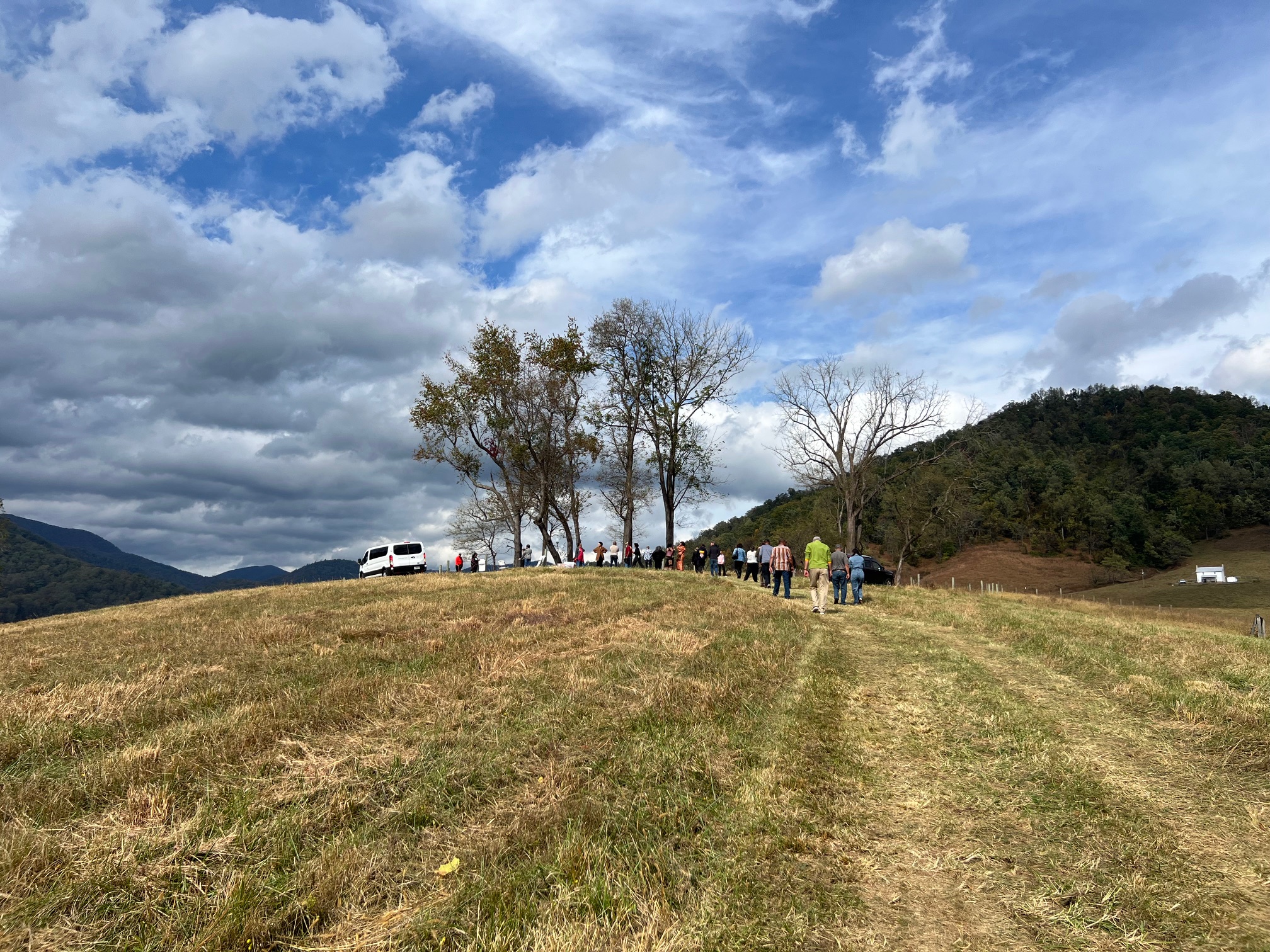
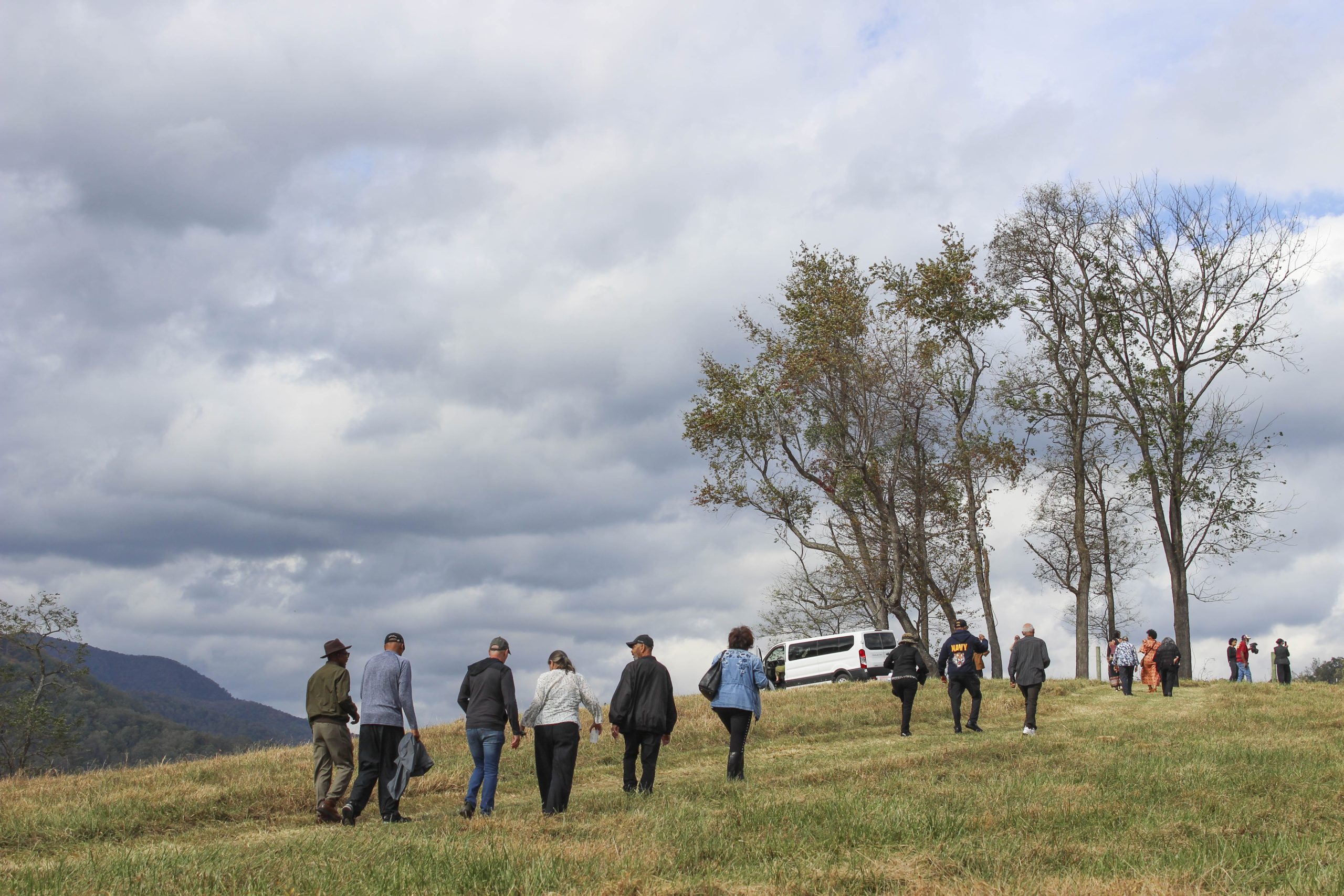
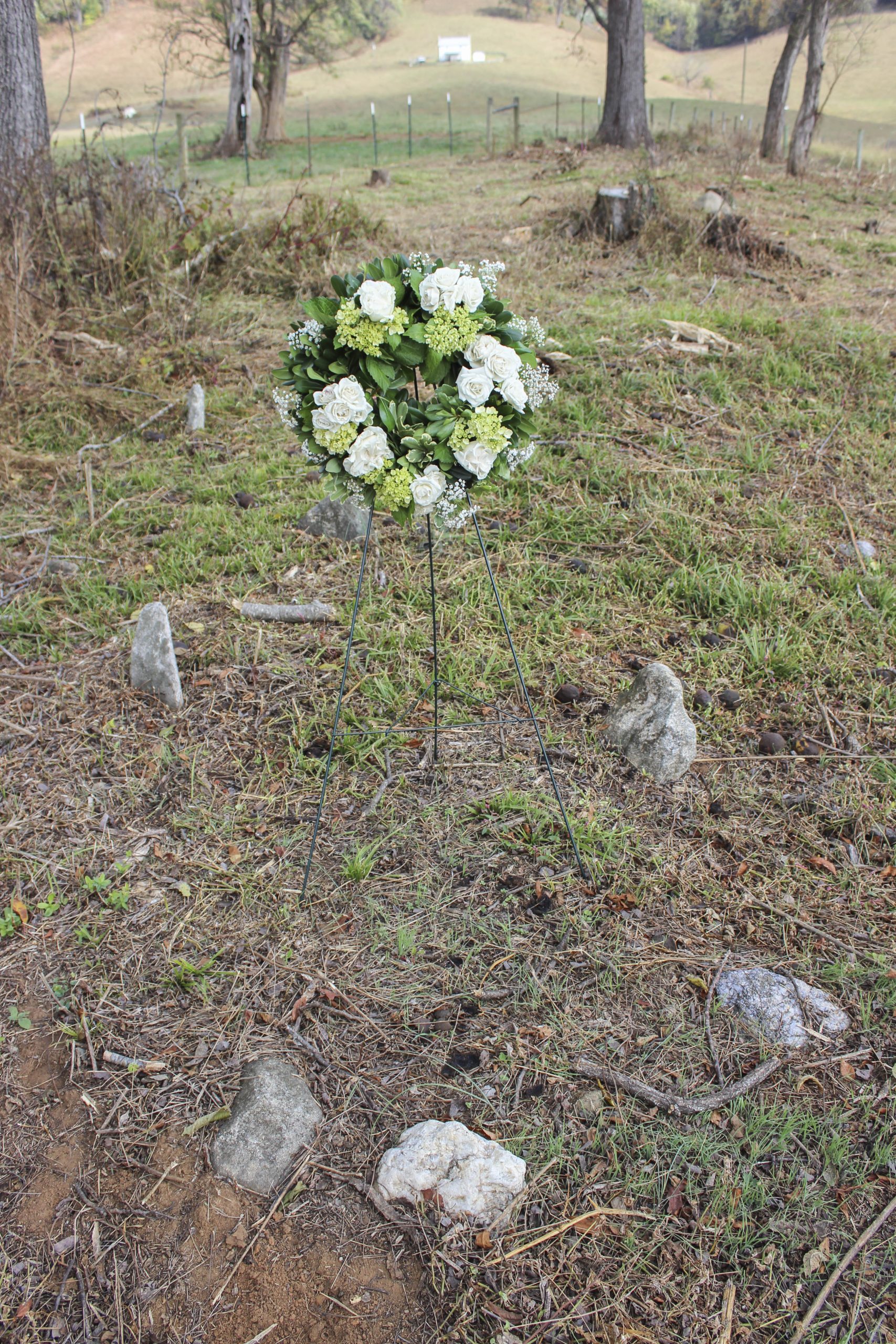
In 2025, the MCAAHA joined farm owners Kemp and Tommy Hill in creating a plan to preserve, maintain, and memorialize a cemetery for the enslaved in the Graves Mill community of Madison County. This site, high on a ridge overlooking the mountains, is the resting place of unknown men, women, and children who deserve to be remembered with dignity and respect.
When the Hills acquired Maple Glen Farm, they knew the land held an enslaved cemetery. Upon visiting the site, they found it overgrown—choked with brush, fallen trees, and invasive weeds. Moved by respect, they cleared away the area to restore dignity to the space. They installed a fence to protect the cemetery from grazing cattle. Recognizing the importance of community stewardship, Kemp Hill and Shannon Carter reached out to the MCAAHA. Together, we began a collaborative journey to determine how best to honor those buried there and ensure the site’s preservation for generations to come.
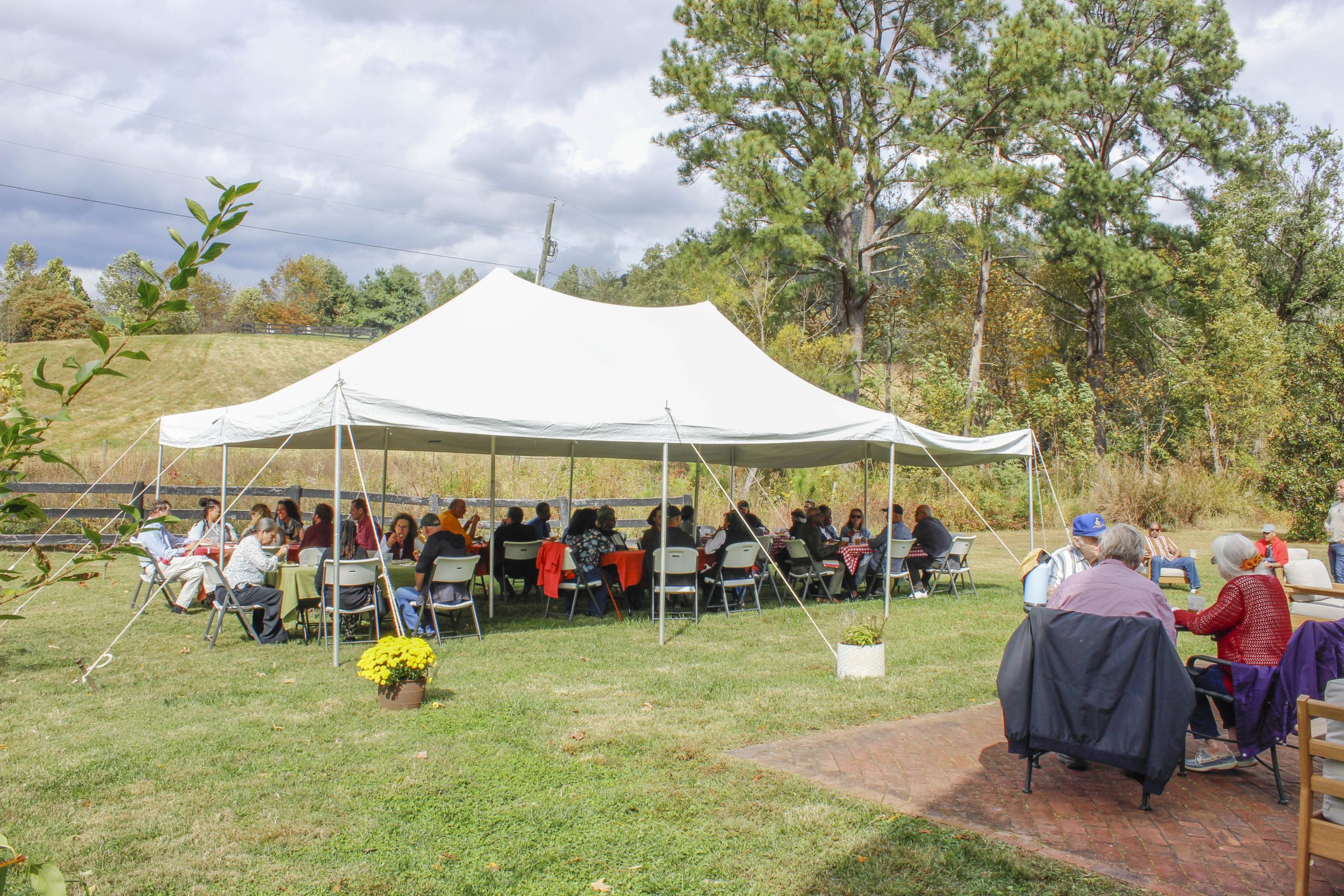
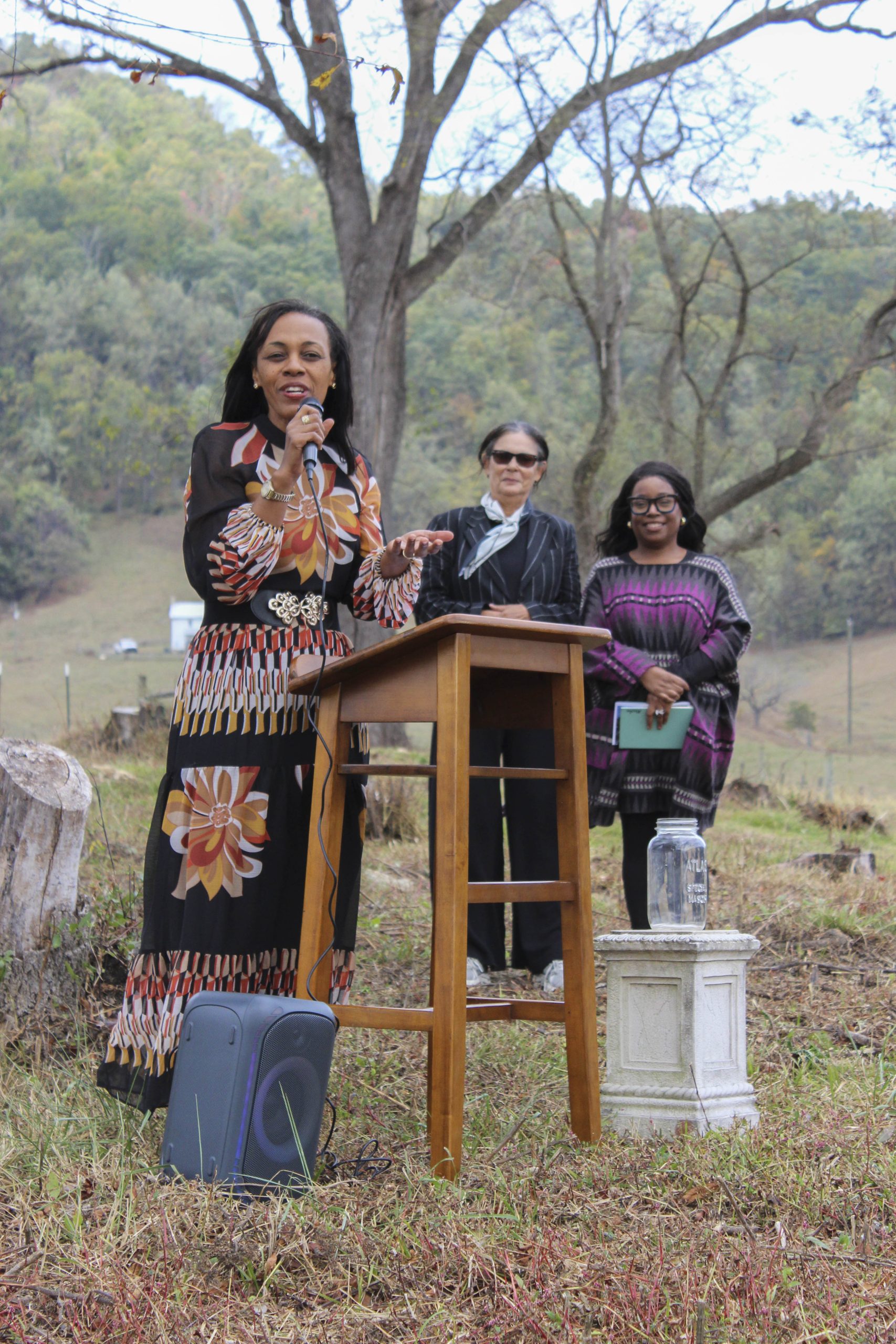
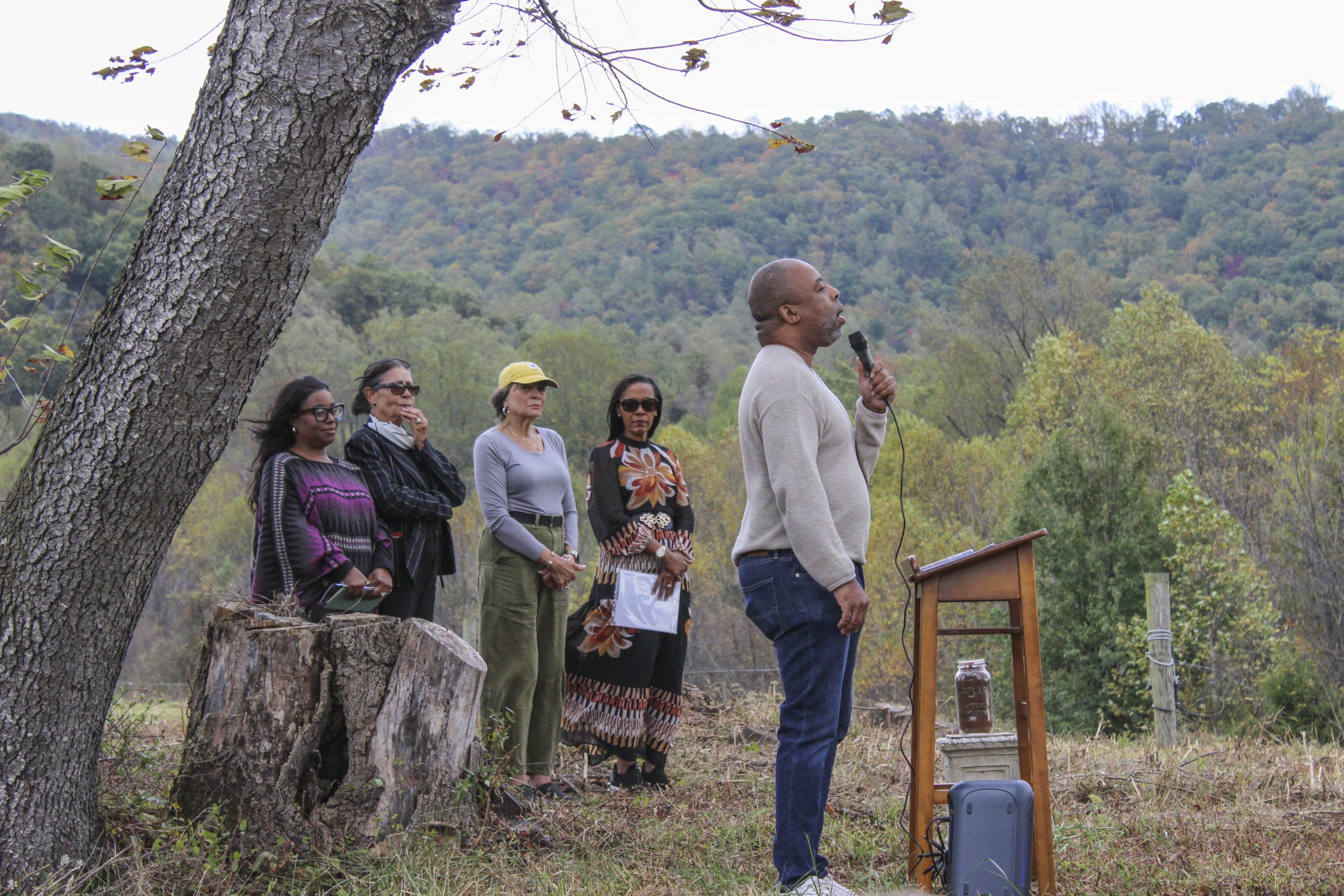
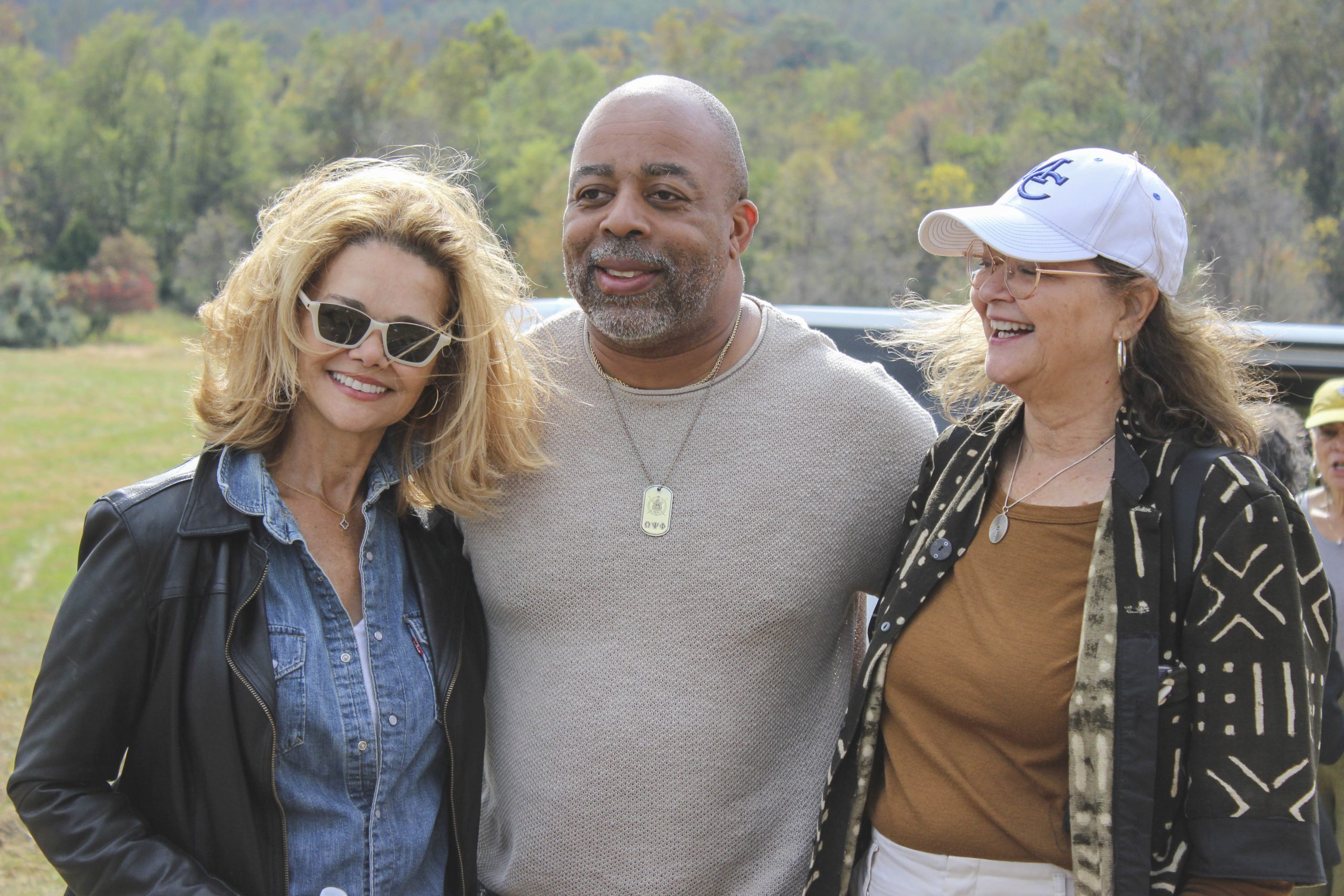
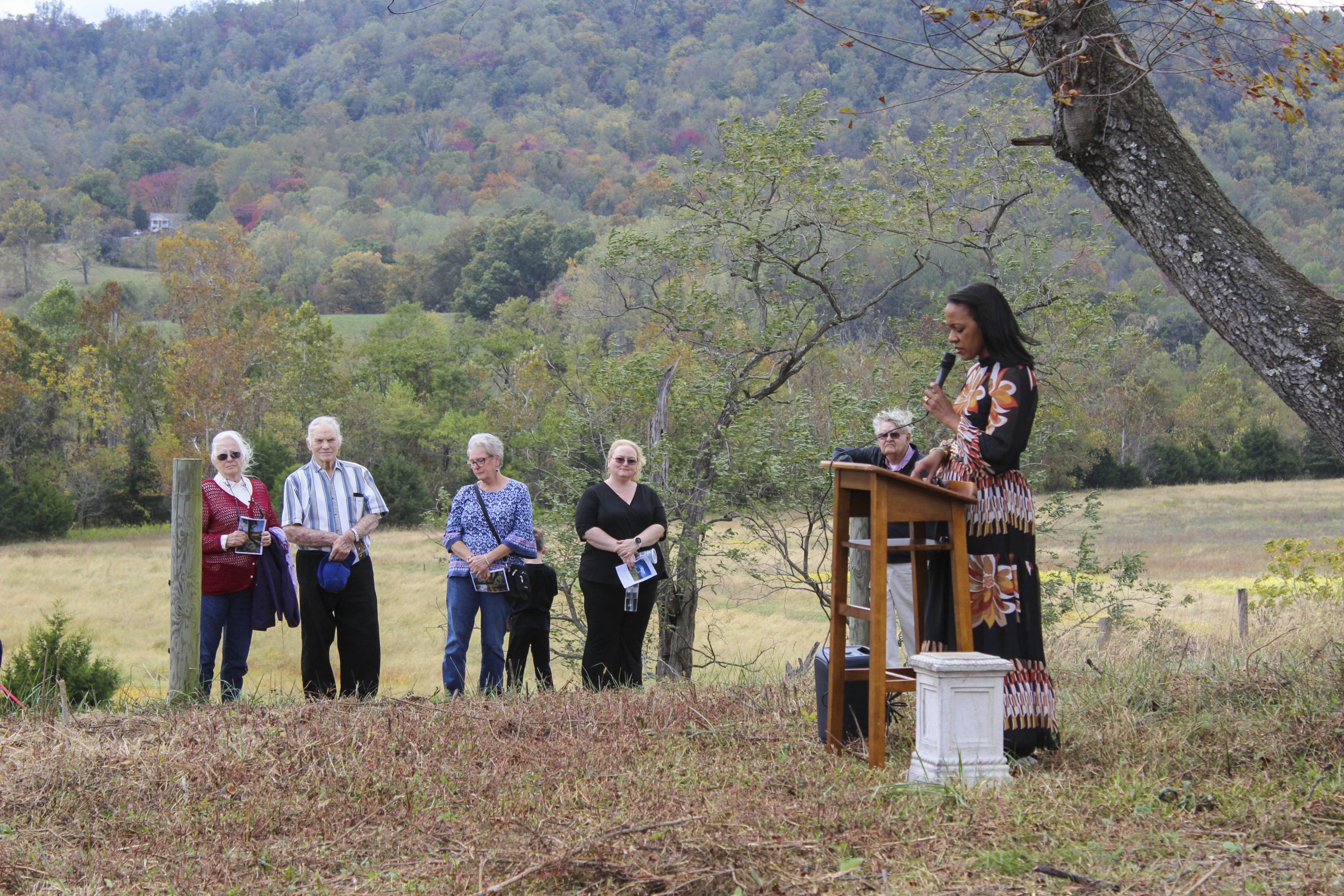
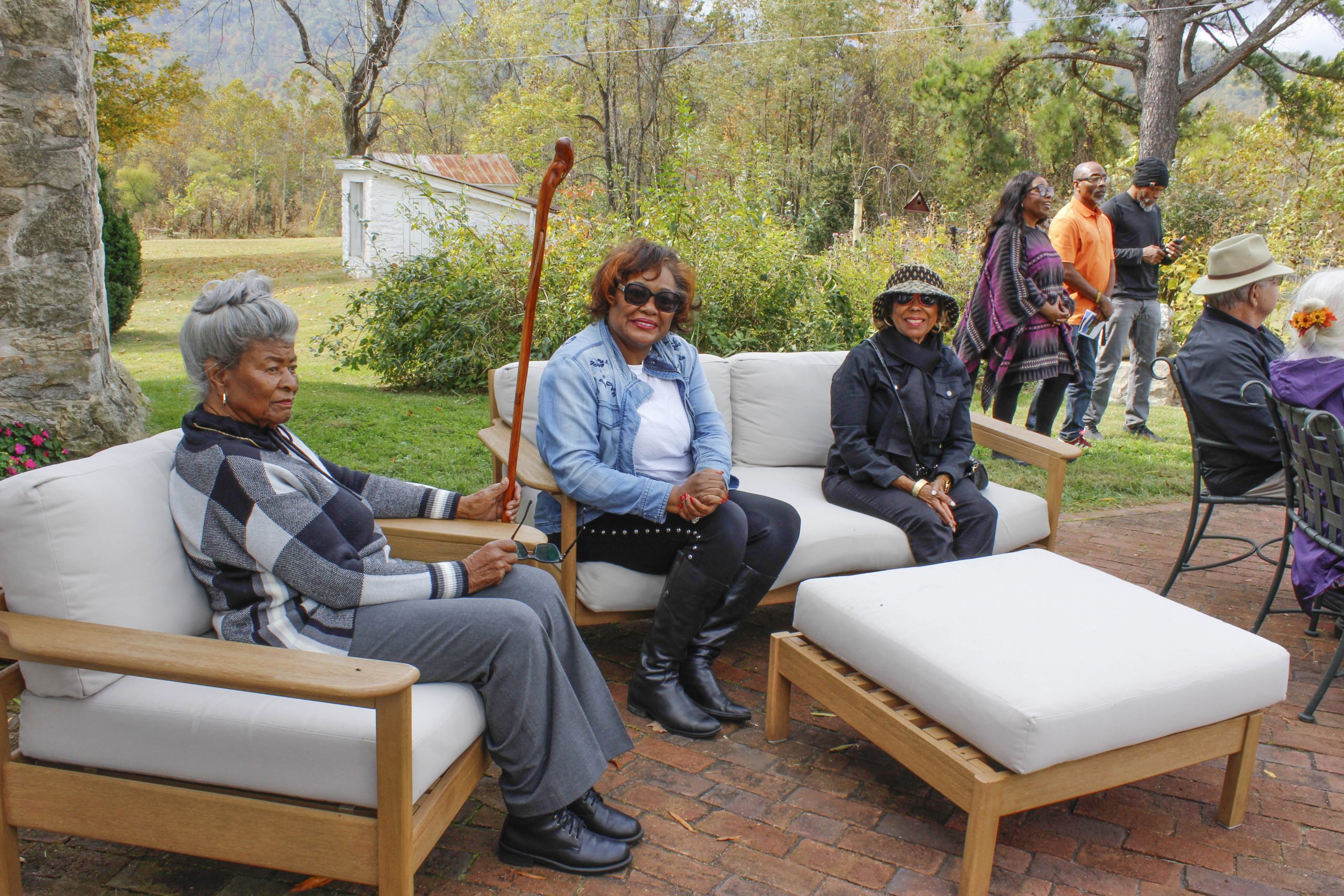
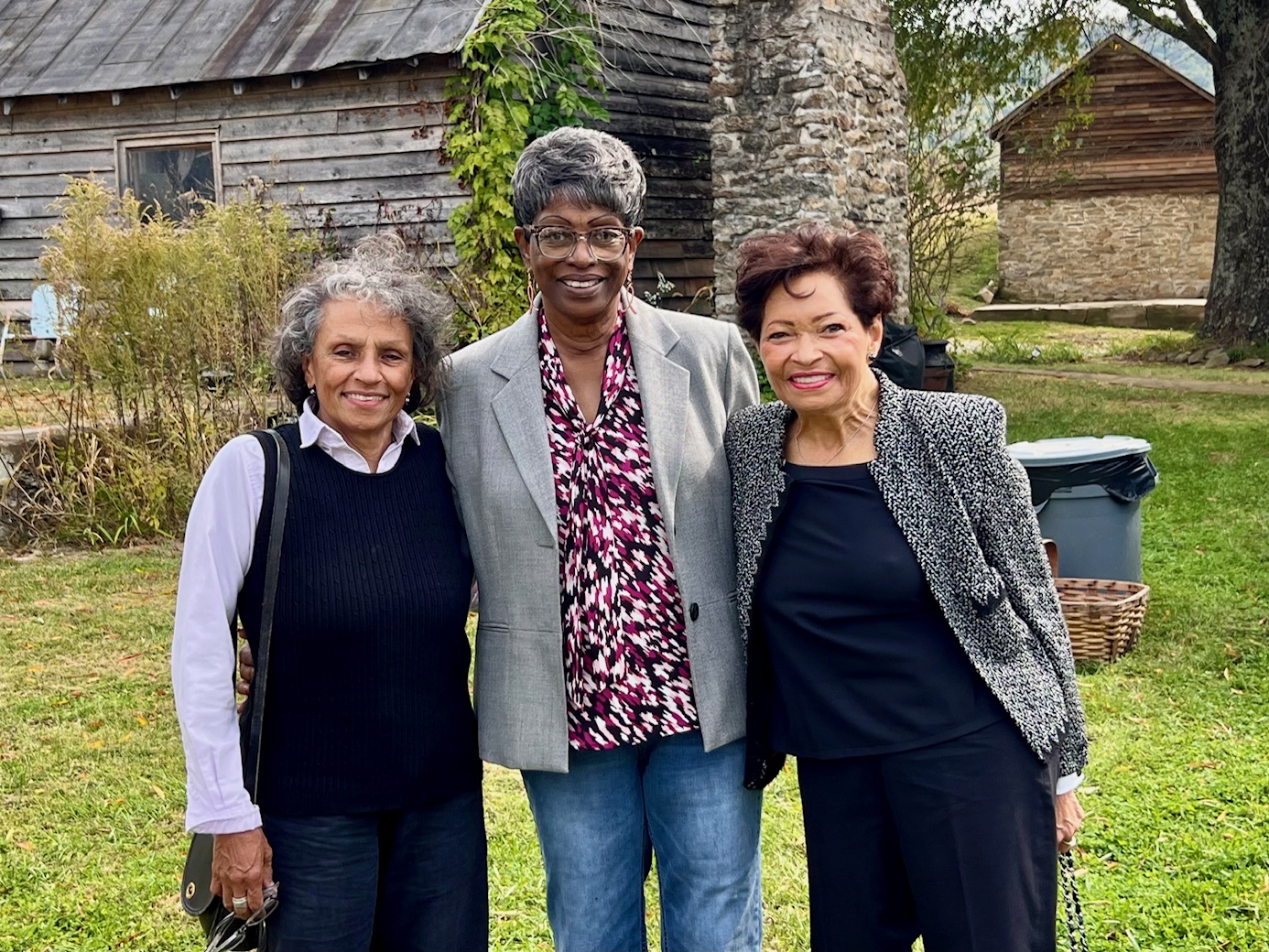
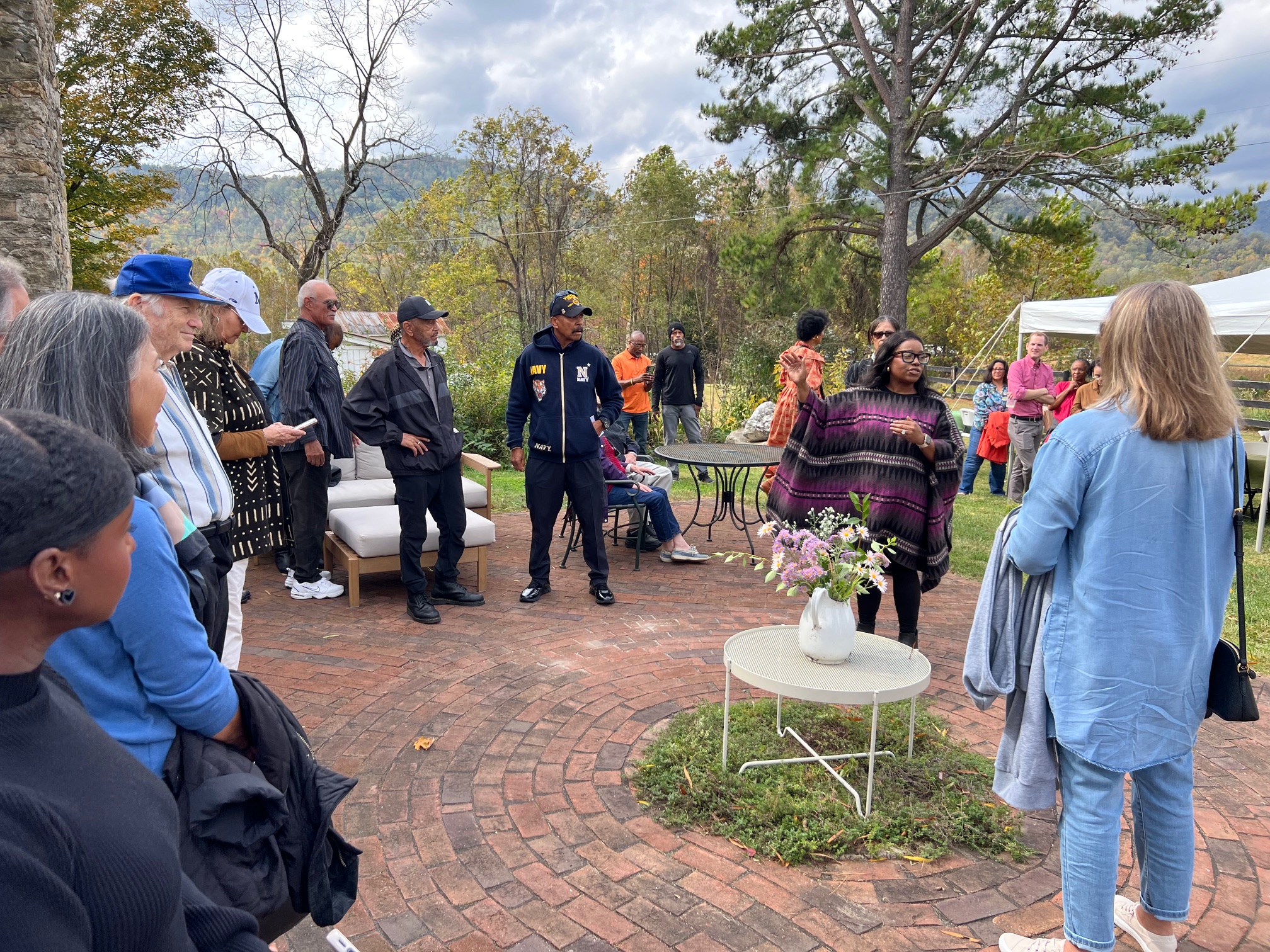
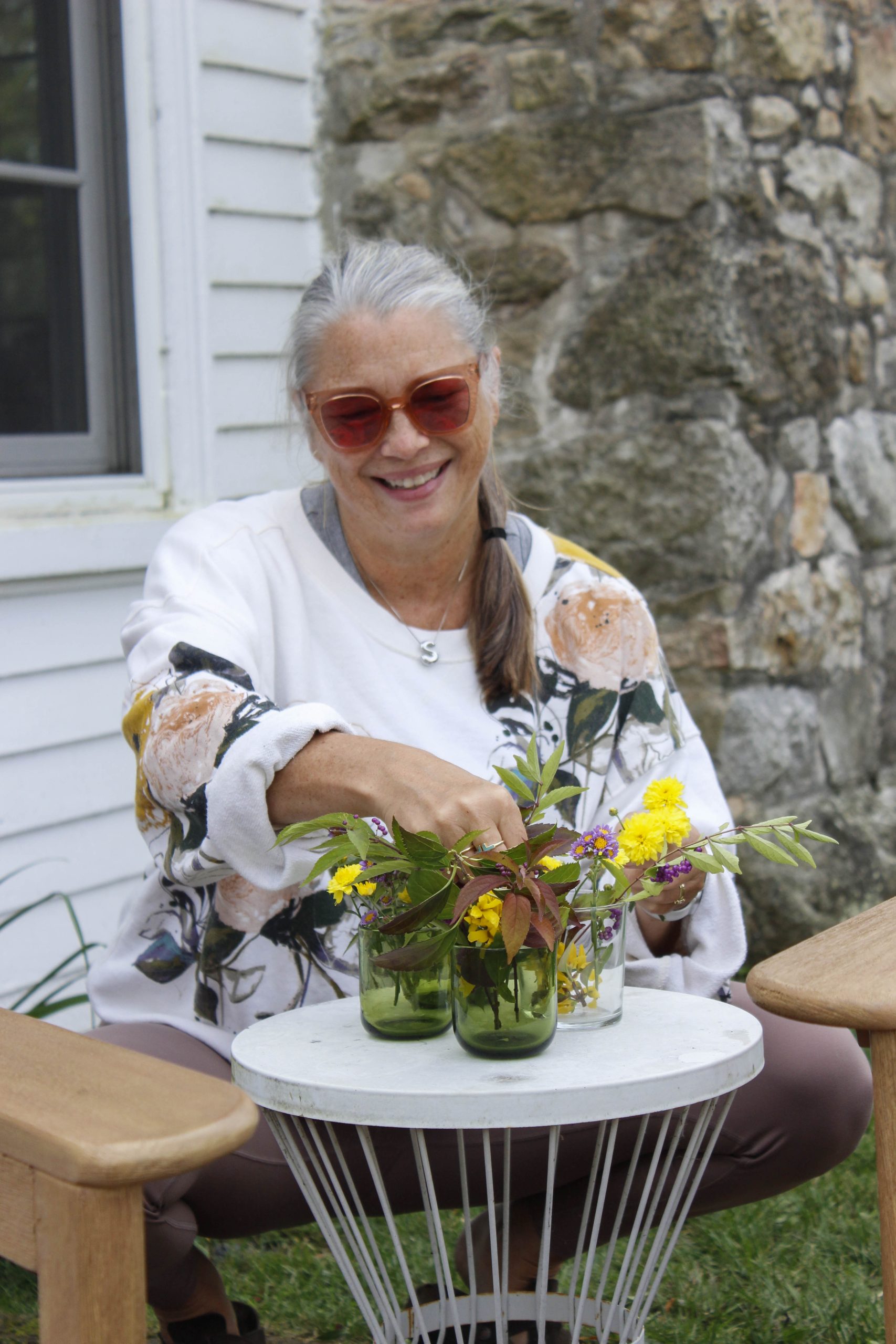
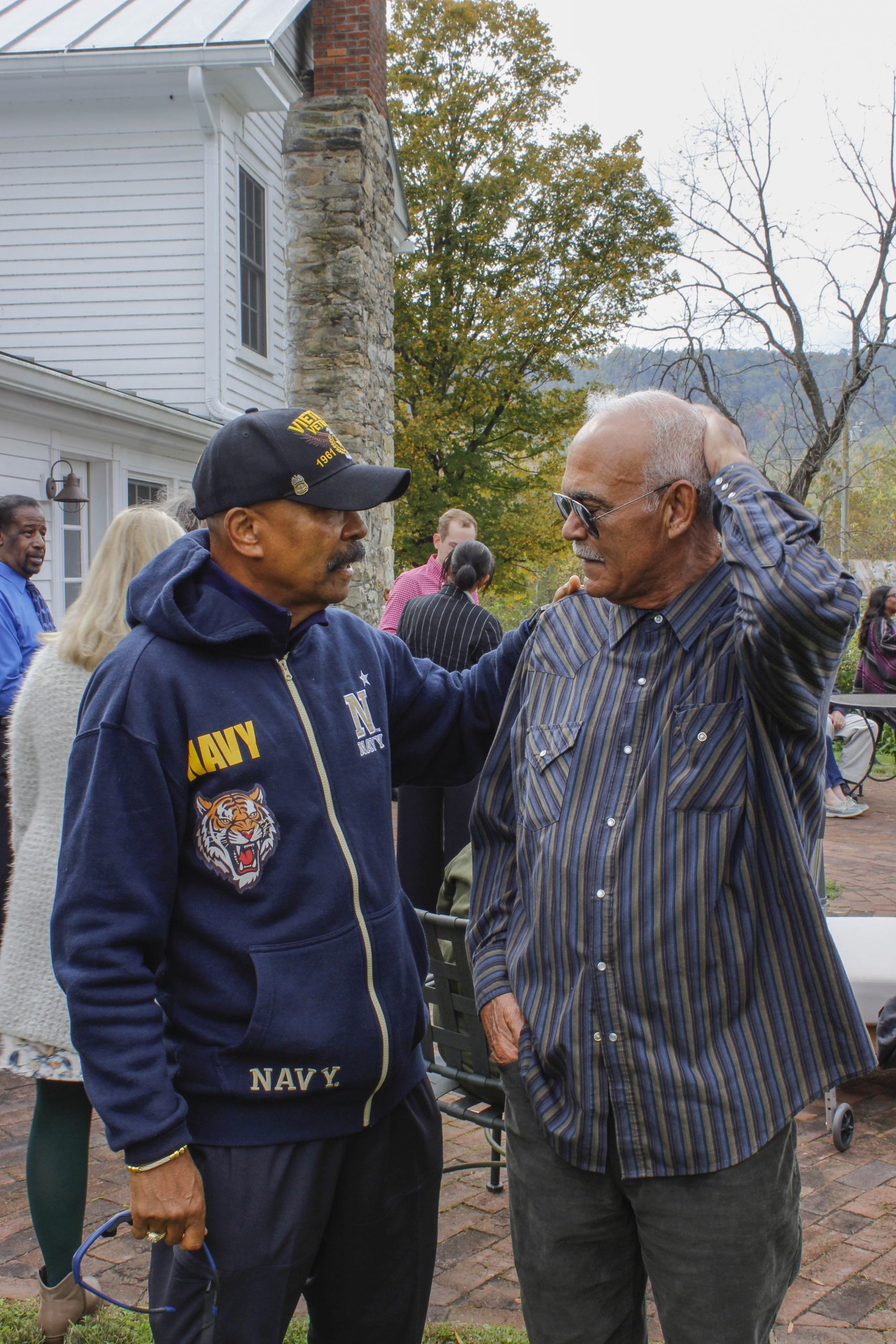
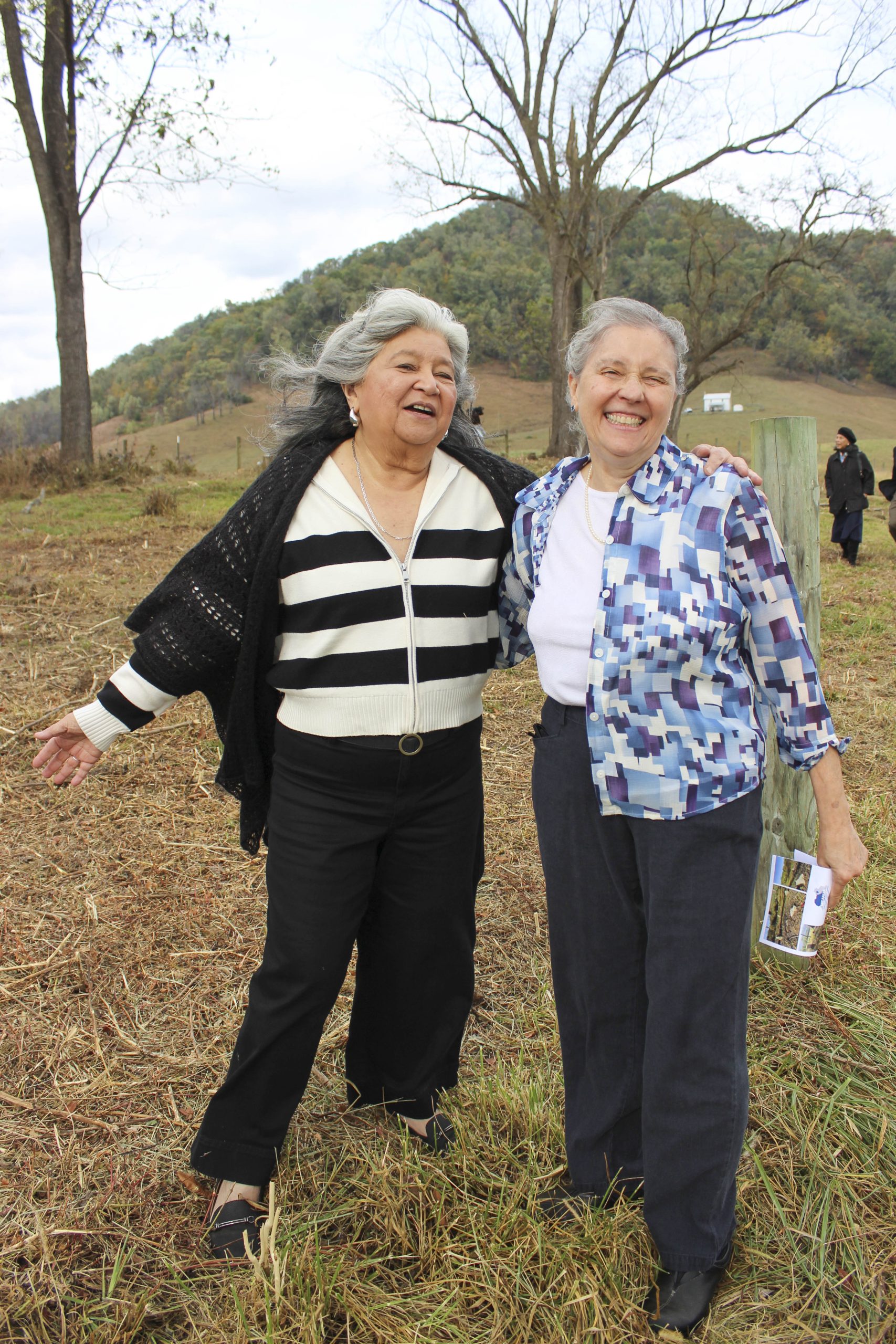
Supported by a grant from Virginia Humanities, the MCAAHA and the Hills have cleared and protected the site, and honored this sacred ground with a special memorial ceremony. Dozens of guests visited the cemetery, marking the solemn occasion with prayer, song, poetry, and a reading of the names of 50 enslaved men and women known to live in the area. More information can be found about this event here.
An interpretive marker will soon be installed at the site. The marker will read as follows:
* * * * *
Beneath the quiet beauty of the Blue Ridge Mountains in Graves Mill lies sacred ground that tells stories vital to the American experience. This resting place gives voice to the voiceless enslaved African American men, women, and children who were forced to live, labor, and die here during the 18th and 19th centuries.
The earth here holds unspoken secrets: lives endured in bondage, grief carried in silence, and generations laid to rest without name or marker—a history too often silenced. No records were kept of their names, and their graves were not properly marked, yet this ground is sacred because of their presence. They were part of the fabric of this land, laboring under oppression yet holding fast to faith, family, and hope. Oral histories and historical research suggest that this site has ties to many families, including the Lindsays, Fields, Saunders, Blakeys, Carpenters, Hills, Sims, Finks, and Washingtons.
This ground is a testament to the labor of the enslaved who built this community, to resilience that defied oppression, and to the enduring presence of those who refused to be erased. Preserving these burial sites is an act of truth-telling—acknowledging what was hidden, honoring those who rest here, and making sure their stories continue. In life, these men, women, and children were denied freedom. In death, many were buried and remembered only through whispered prayers. But the earth remembers. The trees remember. The mountains remember. And now, we remember.
History is not only what is visible, but also what is buried. This site is a place of reverence. We honor the dignity of those laid to rest here, and we remember their suffering, strength, and spirit. We are our ancestors’ echo, the voices they were never allowed to raise.
May this ground speak to truth, healing, and justice where silence once prevailed.
“The Lord is close to the brokenhearted and saves those who are crushed in spirit.” Psalms 34:18 .
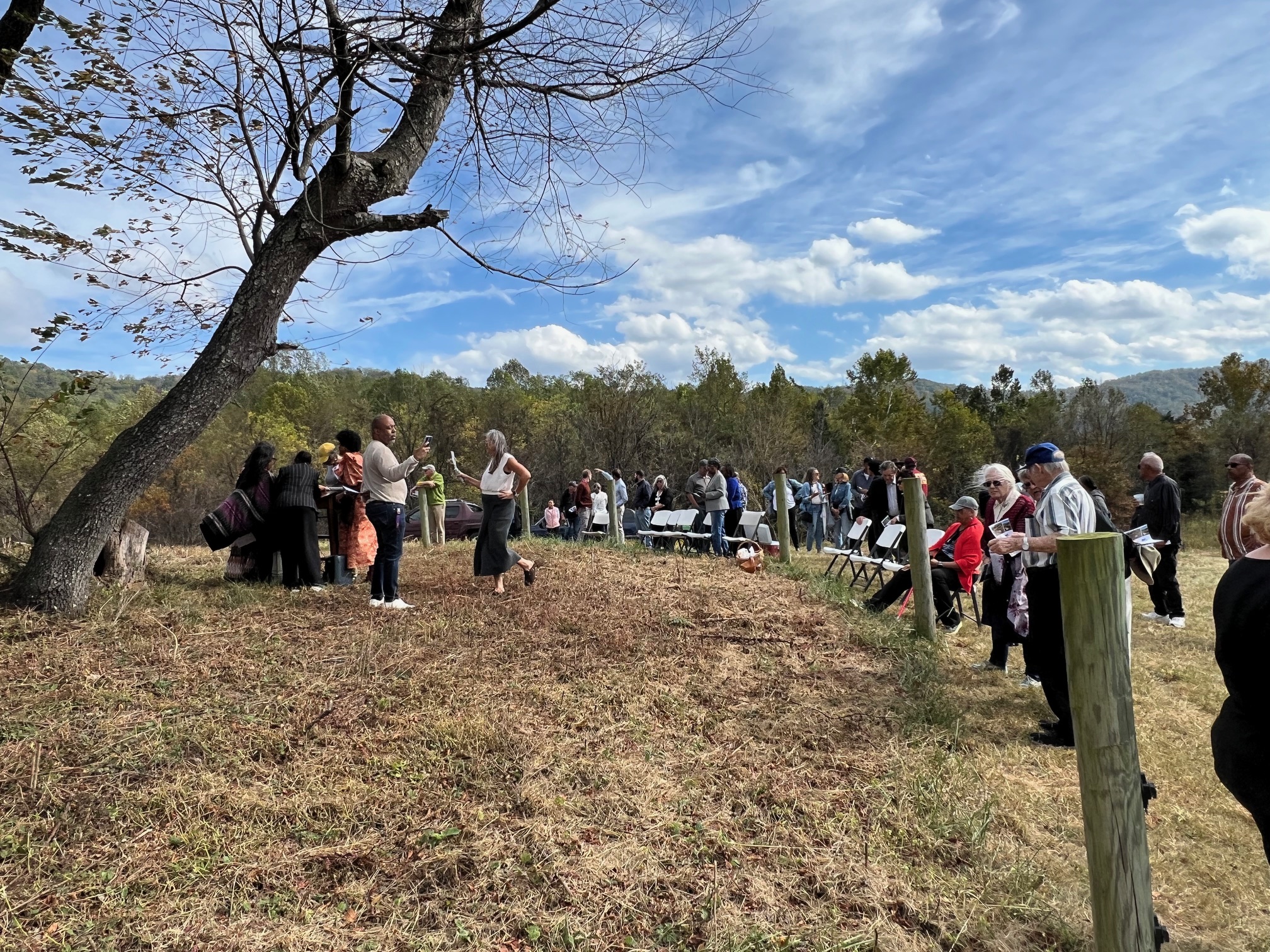
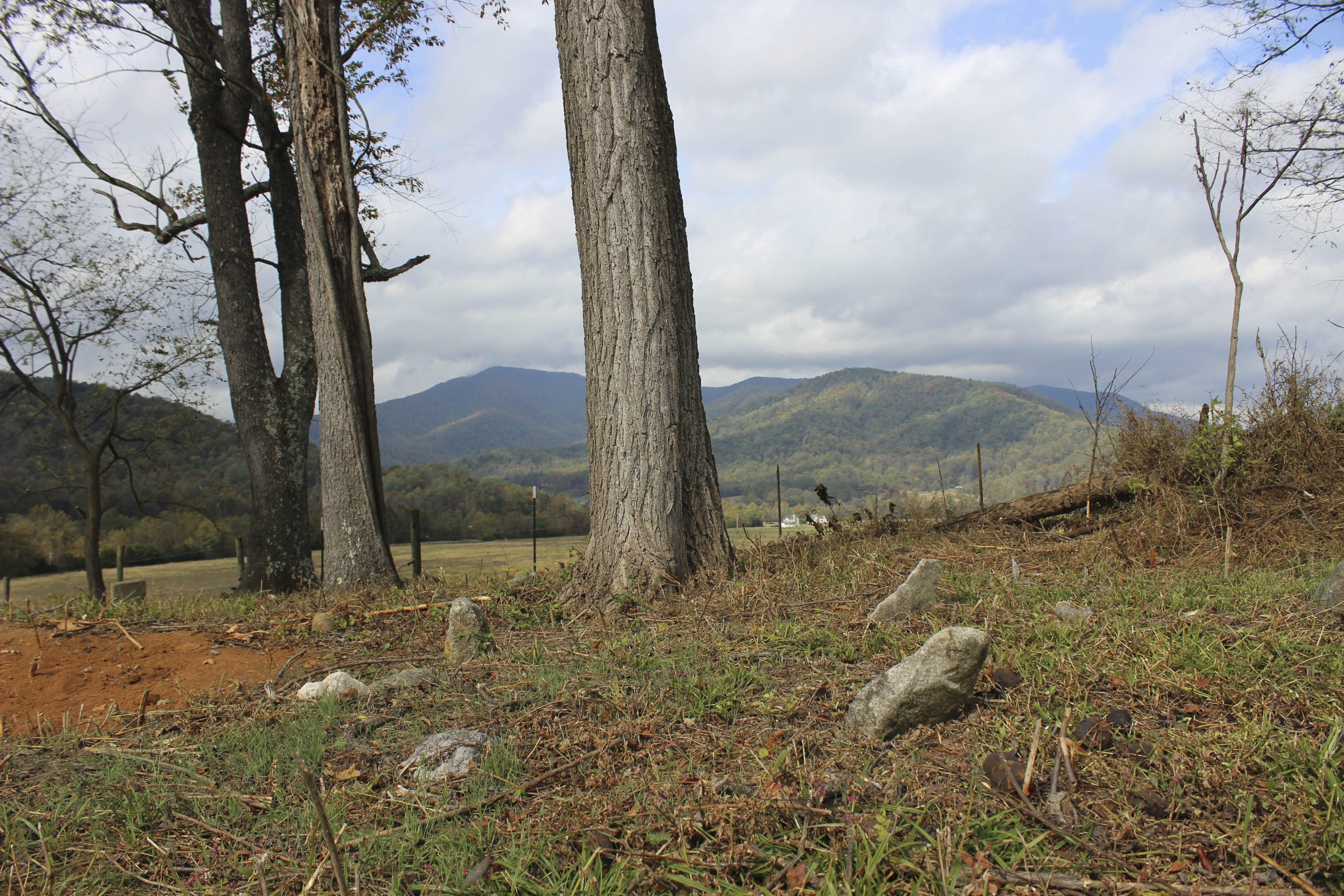
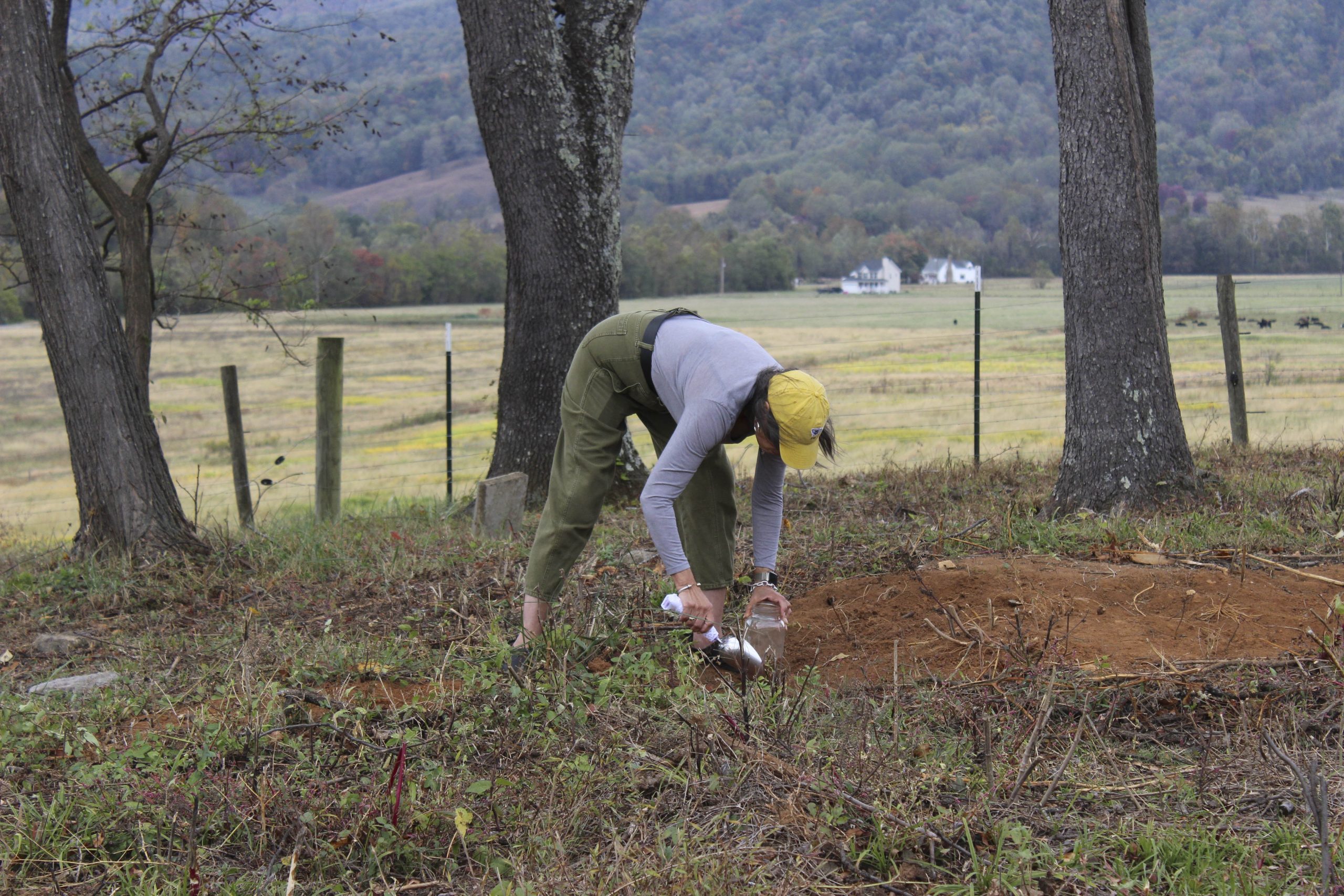
All photos by Victoria Garnett. Special thanks to our partners on this important effort: Kemp and Tommy Hill, Shannon and Nathan Carter, and Virginia Humanities.


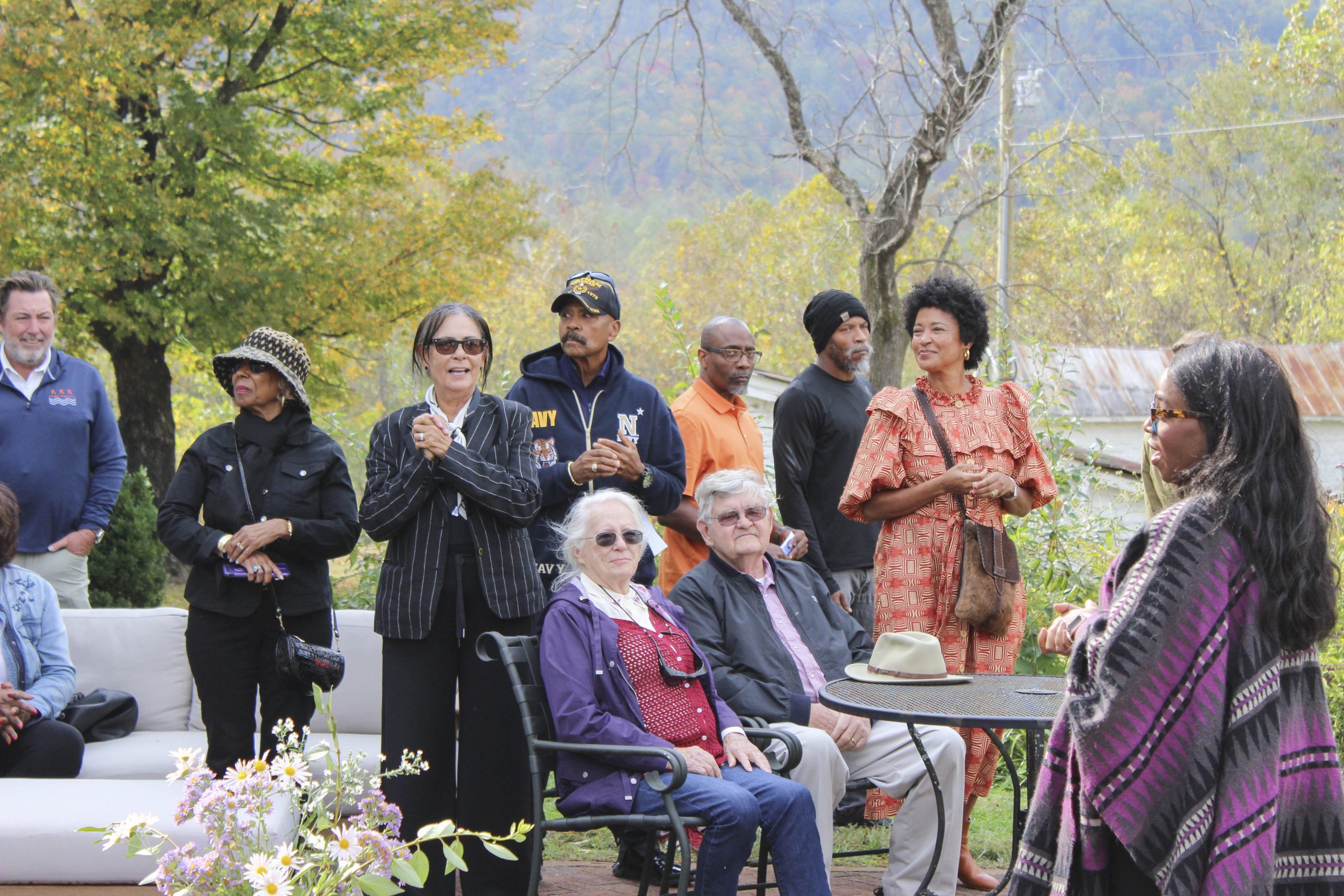
But the earth remembers. The trees remember. The mountains remember. And now, we remember.