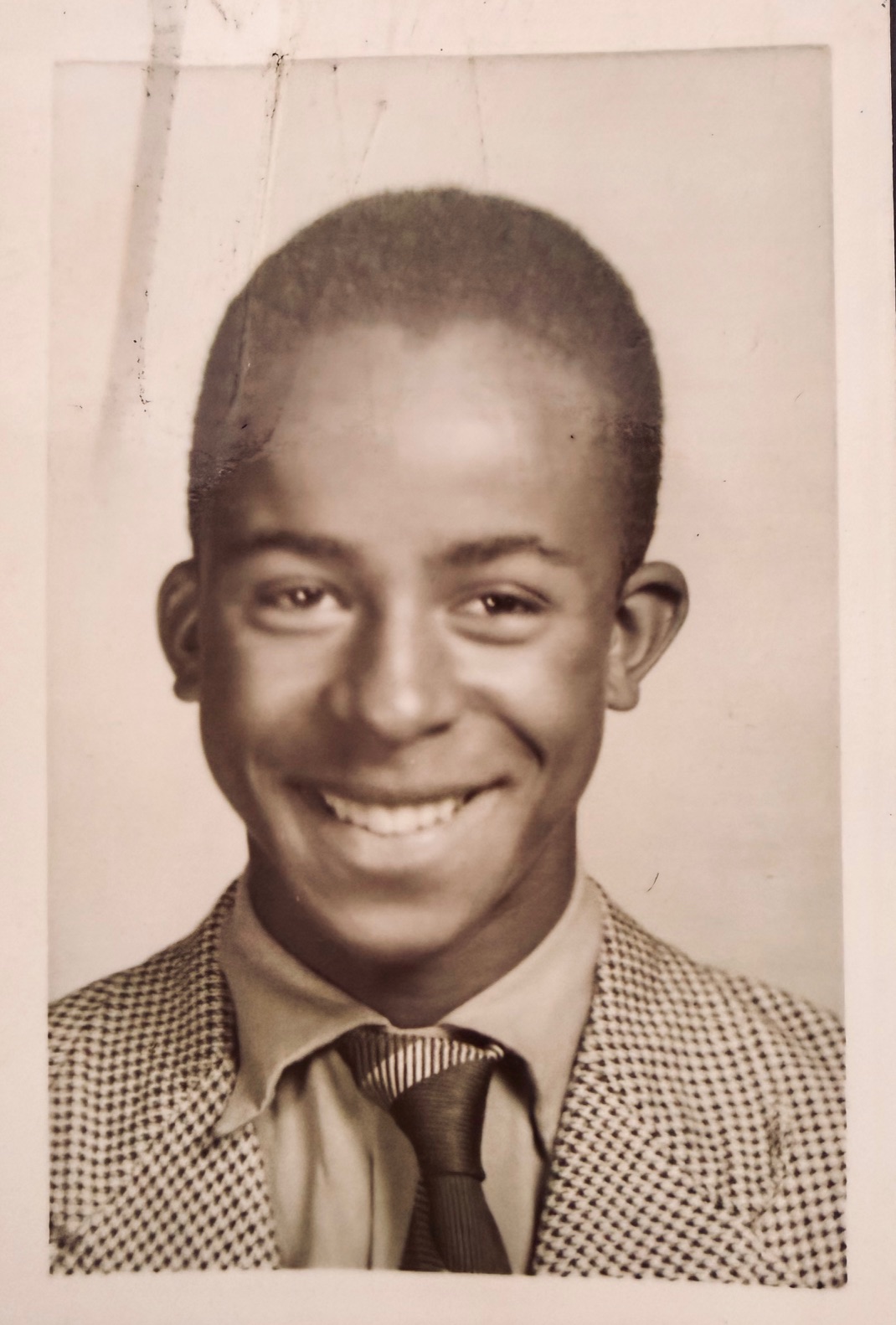
This Veterans Day, we honor the life and legacy of Leroy Carey, a pioneering African American sailor who helped power a turning point in U.S. naval history.
Born December 18, 1937, in the community of Aylor, Virginia, Carey was the son of Mr. and Mrs. Roy Carey. In the early 1960s, at a time when both military technology and civil rights were rapidly evolving, he stepped into a role few had ever held—becoming one of the first 150 nuclear-trained specialists assigned to the USS Enterprise (CVA(N)65), the world’s first nuclear-powered aircraft carrier.
Carey, a United States Navy serviceman, earned his place through rigorous training in one of the Navy’s most elite programs—designed to prepare officers and enlisted men to master the complexities of nuclear propulsion. These specialists are entrusted with the operation, maintenance, and repair of the ship’s nuclear reactors, a responsibility that demands precision, intellect, and unwavering discipline. Mr. Carey assisted in maintaining nuclear reactors—skills that placed him at the forefront of a new era in naval propulsion. When the Enterprise launched from Newport News on September 24, 1960, Carey stood among the first wave of African American servicemen entrusted with safeguarding one of the most advanced vessels ever built.
His service aboard the Enterprise was more than technical—it was symbolic. At a time when African Americans were still fighting for equal recognition across the country, Carey’s presence on the Navy’s most futuristic ship sent a quiet but powerful message: Black excellence was not only present—it was essential.
Today, as we reflect on the sacrifices and contributions of veterans across generations, Leroy Carey’s story reminds us that courage comes in many forms. It lives in the discipline of a young African American man from Madison County, Virginia, who chose service and helped steer the future of naval innovation.
His legacy endures in every reactor-powered vessel that sails, and in every young person who finds strength in the footsteps of those who served with honor, even when honor was not returned.